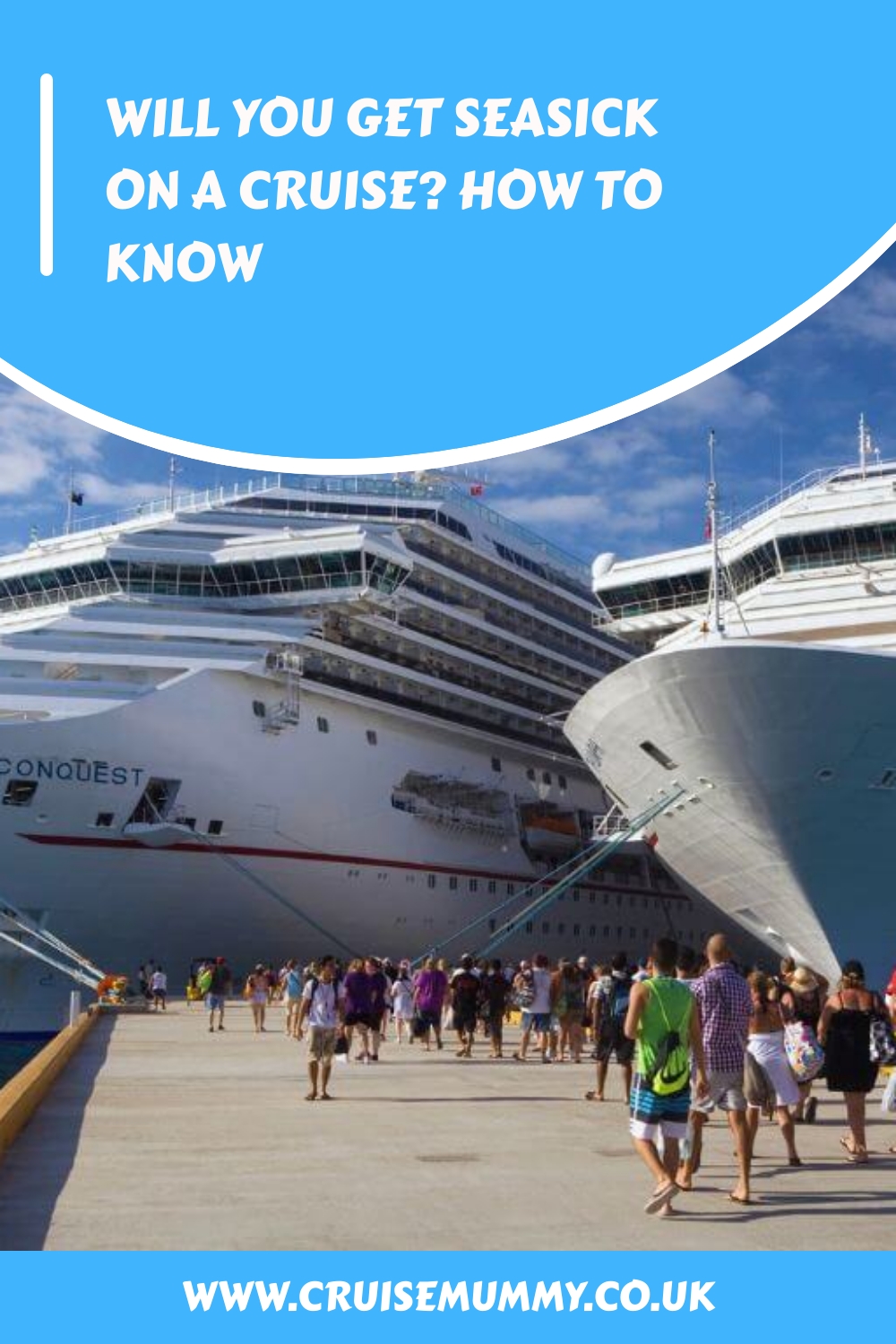
Worried your cruise will be spent battling nausea instead of enjoying cocktails by the pool? You’re definitely not the only one.
Seasickness is one of the biggest fears first-time cruisers have, especially when you’ve invested a lot of money in your holiday. But here’s what most people don’t realise: the vast majority of cruise passengers never feel sick at all – even when the sea isn’t perfectly calm.
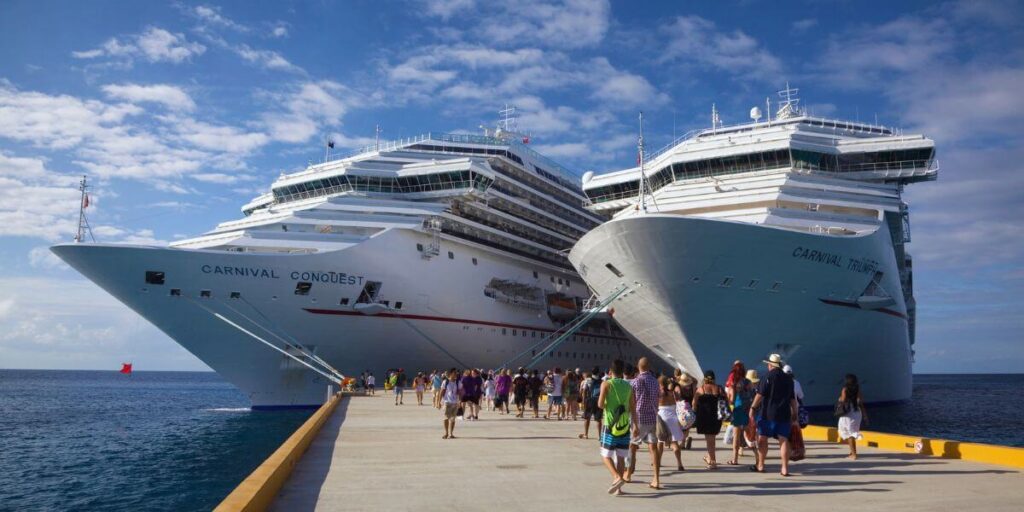
For a smaller group, though, even gentle movement can be enough to trigger symptoms. And that’s where the confusion starts. Is seasickness something you can predict… or is it just bad luck?
Before you book, there’s something important you should know about who actually gets seasick on cruises – and it’s not always who you’d expect.
Seasickness and Cruise Ships
Whilst it is possible to get seasick on a cruise ship, the truth is that most people don’t. It’s also becoming less of an issue thanks to the size of modern ships and improved stabilisation technology. Technically, seasickness is just another name for motion sickness.
That means you can usually predict if you’ll suffer from seasickness if you’ve ever suffered from motion sickness in the past, which you would normally notice if you were frequently car sick. Ocean waves do move a ship differently from the movements of a car, so it is possible to get seasick even if you don’t get car sick, but it’s really rare.
Consider how many people cruise once and then go on to book second, third and fourth cruises. If seasickness were common, cruising wouldn’t have such a high repeat rate.
The fact that people tend to cruise multiple times once they’ve tried it once is enough of a statistic to tell you how little seasickness is a problem!

Feeling the Waves on a Cruise Ship
Whilst you can feel the waves on a cruise ship at times, normally you’ll forget you’re even on a ship when you’re indoors. Modern cruise ships are so large that it’s hard to feel the movement; they have stabilisers to help reduce the feeling of motion throughout the ship.
They also have wave detection technology, which makes it a lot easier for the ship’s officers to steer her away from any turbulent seas. During storms, you might notice some movement, especially if you’re standing on a high deck close to the front or rear of the ship.
But for the most part, you’ll barely even notice you’re moving unless you’re standing looking out of the window or on an outside deck.
Can you get seasick on a cruise ship even when the waves are calm, though? Sadly, yes, if you’re sensitive to motion. You might not even realise that it’s the motion you’re feeling.
Read more: Do big cruise ships rock less?
TODAY’S BEST CRUISE DEALS!
Don’t miss these offers…
How Many People Get Seasick on Cruises
It’s impossible to say how many people get seasick on a cruise. Around 1 in 3 people get motion sickness, but how much you’ll feel it on a cruise ship varies hugely.
Studies that have been carried out are focused on too small a group (fewer than 200 participants) or on small ships only, where the movement of the boat is much more noticeable. So, they aren’t useful when trying to measure how likely it is to affect you.
According to medical studies, motion sickness affects a lot of people but only in certain conditions (source).
There’s no easy way to predict how many people on any given cruise ship will get seasick, unfortunately, but if you’re concerned, then just spend any amount of time speaking to past cruise travellers on cruise forums. You’ll soon see how few people have suffered, which should put your mind at ease.
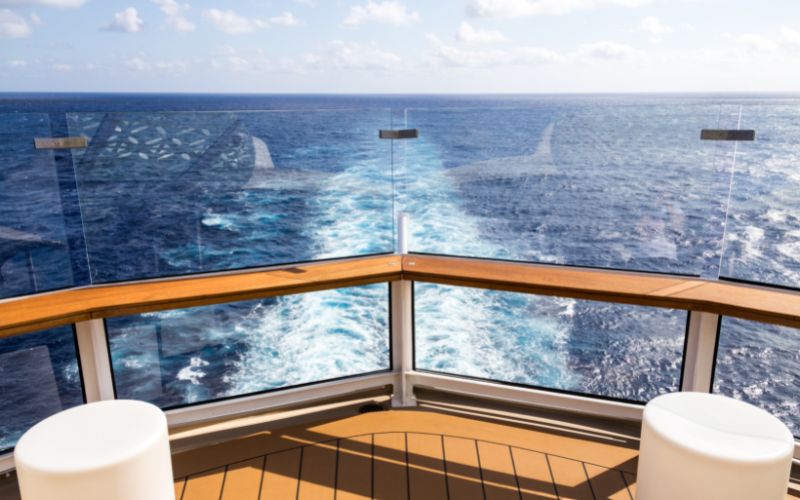
Why Seasickness Affects Some More Than Others
There’s no clear answer to why some people get seasick, and others don’t. It’s generally attributed to people who have a disconnect between their senses that respond to motion. If the eyes, inner ear, and skin nerves aren’t in harmony, it can cause confusion and queasiness.
While we can’t yet explain what causes certain individuals to be immune and others to be highly susceptible, medical research suggests a few factors can increase susceptibility:
- Women are more susceptible to motion sickness than men
- The older you are, the less likely you are to feel any queasiness during motion, likely because the sensory receptors aren’t as powerful. Motion sickness actually peaks at age 9
- Some studies suggest aerobically fit people may be more susceptible than those who are less fit because their autonomic system is more reactive
- Patients with certain existing medical conditions, such as vertigo, migraines, vestibular pathology and Meniere’s disease, are more likely to get seasick
- Elevated hormone levels, caused by the menstrual cycle or pregnancy, can also increase the risk
So, if you’re a young, fit woman who has a history of carsickness and suffers from migraines, you might want to stock up on some anti-sickness medication before you travel, just in case. But that doesn’t mean you will be affected. Just that you’re more likely.

How to Know If You Will Get Seasick on a Cruise
Here are a few tips on how to know if you will get seasick on a cruise.
1. Consider Your History of Motion Sickness
If you’ve ever experienced motion sickness before, either on a roller coaster or a boat ride, it’s likely you could experience it again in the open ocean. If you’ve experienced motion sickness in the past, you’re much more likely to feel seasick on a cruise.
2. Know Your Ship
If you’re cruising to an area that’s known for rough seas on board a smaller, older ship and you have a cabin right at the top, then there’s a good chance that you may feel a little queasy at some point. Choose your cruise carefully to minimise the risk. In general, cabin position and ship size often matter more than the itinerary itself.
3. Talk to Your Doctor
If you have any medical conditions or take any medications, it’s important to talk to your doctor before booking a cruise. Some medications can increase the risk of motion sickness, and your doctor can help you with this.

How Long Seasickness Lasts on a Cruise
Most people who do feel seasick will recover in a day. In very rare cases, it can last longer if left untreated, and cause the traveller to suffer for the duration of their cruise (and sometimes beyond, up to a couple of weeks).
In most cases, once you get used to the motion of the ship or you get through whatever stormy waters are causing you to feel nauseous, you’ll feel right as rain and be ready to fully enjoy the rest of your holiday.
If seasickness persists, it’s recommended that you speak to the cruise ship’s doctor to see if there are any causes that they can help to eliminate and any treatments that they can offer.
Seasickness isn’t something cruise lines offer refunds for, so the onus is on you to find a way past it and enjoy the holiday that you’ve paid for.
Sea sickness medication is always available from the medical centre on board. You may have to pay for it, but it’s often free of charge, depending on the ship.
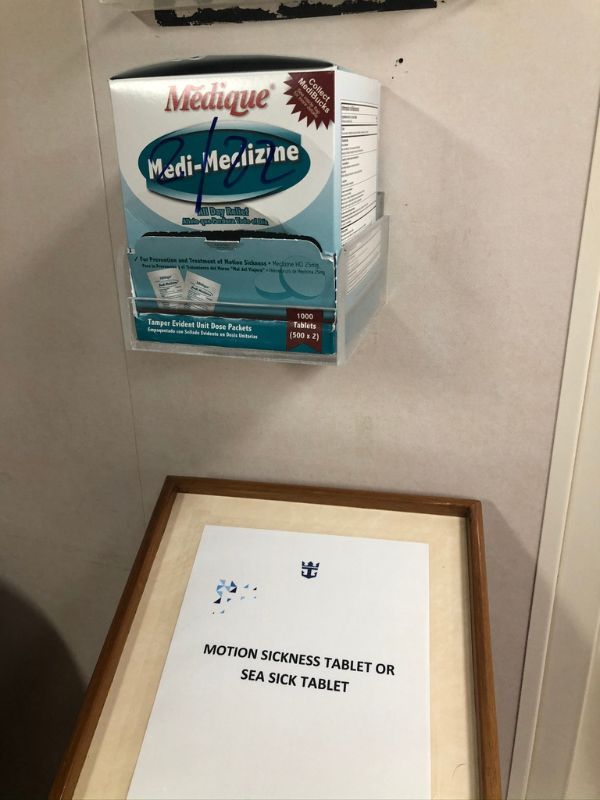
If seasickness tablets don’t work, then you can also ask for an anti-nausea injection. This will stop any vomiting, but it will make you feel sleepy and dehydrated, so it should be used as a last resort.
How to Prevent Seasickness on a Cruise
There are a lot of ways to prevent seasickness on a cruise. Avoid booking a cabin on a high deck near the bow or aft of the ship, and choose as large a ship as possible for your first cruise.
Avoid itineraries travelling to known choppy waters and consider over-the-counter medication.
There are plenty of ways to avoid getting seasick on cruise holidays, and it’s always much better to prevent it rather than try to cure it. Once it’s hit you, you tend to need to ride it out. So, travel prepared if you think there’s a chance that you might get seasick.
If you don’t, then no harm done – you can just relax and enjoy the holiday in full.

Read more: 16 Tricks Guaranteed To Prevent Seasickness On A Cruise
The Bottom Line
Seasickness is a common worry for first-time cruisers, but in reality, it affects far fewer people than most expect. Some passengers might feel a little off on the first day, but it’s rarely enough to ruin a cruise.
If you think you could be prone to it, the key is preparation. Choose the right ship and cabin, pack preventative remedies, and don’t wait for symptoms to appear.
Do that, and there’s a very good chance your biggest cruise concern will turn out to be nothing more than pre-holiday nerves.
TODAY’S BEST CRUISE DEALS!
Don’t miss these offers…
Related Posts:
- Cruise Ship Norovirus Statistics & How to Avoid Sickness
- 13 Royal Caribbean Cabins To Avoid
- What Happens If A Cruise Ship Is Hit By A Rogue Wave?
- Where Seasickness Strikes: The Worst Spot On A Cruise Ship